 Illustrative image

Tennis strings: multifilament or monofilament
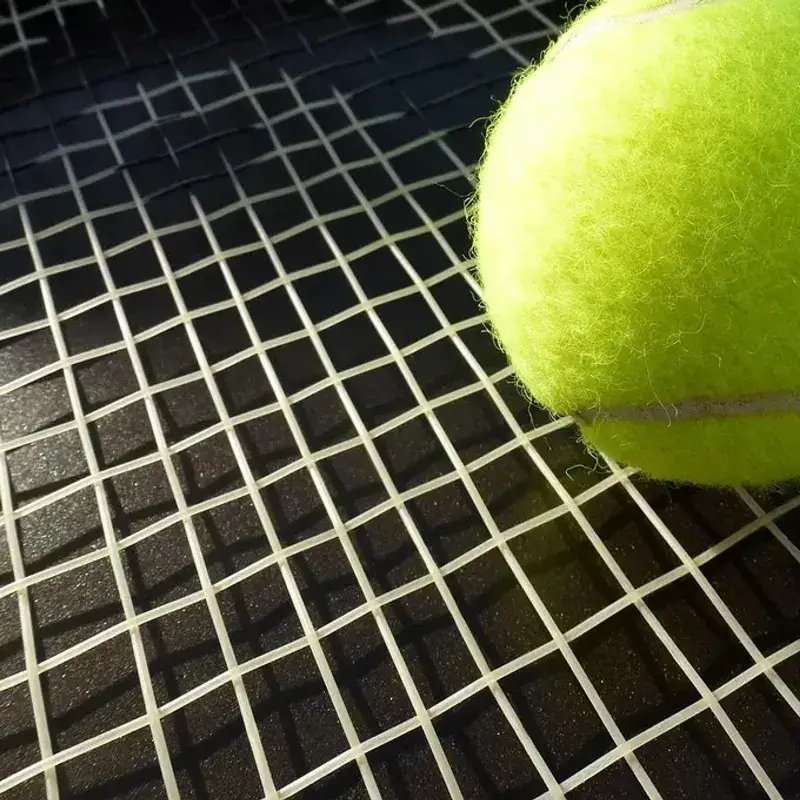
String type changes the feel as much as the racket: multifilament is more comfortable and monofilament gives more control to hard hitters.
- Comfort
- Control
38 entries
Illustrative imageString type changes the feel as much as the racket: multifilament is more comfortable and monofilament gives more control to hard hitters.
 Illustrative image
Rubbers determine spin and speed. To progress, a control rubber with a medium sponge works better before moving to faster ones.
 Illustrative image
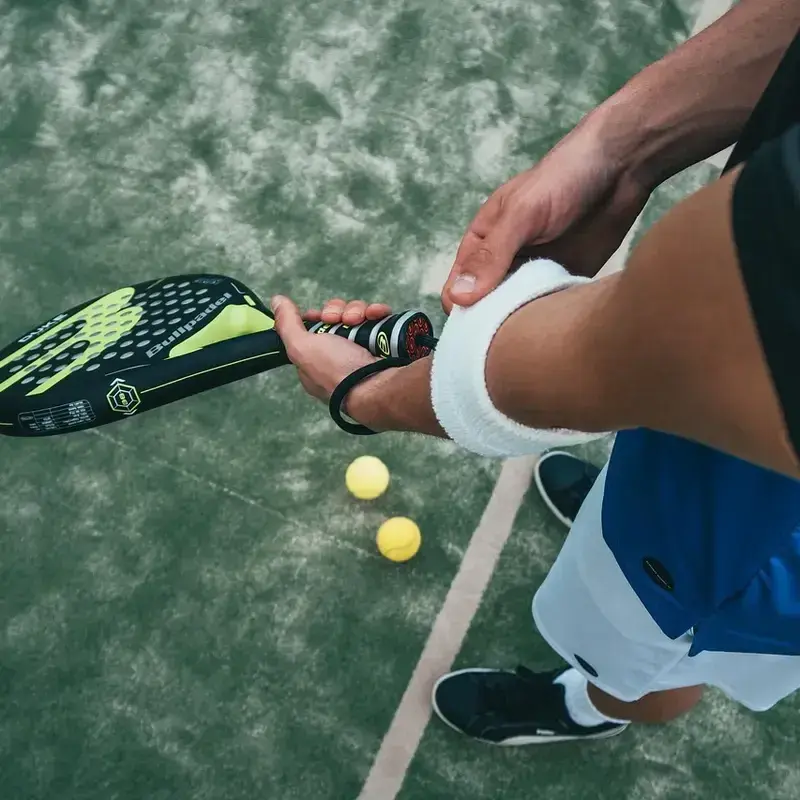
A round shape has the largest sweet spot and forgives off-centre hits, which helps you build control while you learn.
Once you master the basic shots, a teardrop shape balances control and power without losing much margin for error.
A diamond shape puts the weight in the head and gives more power on smashes to players with solid technique.
Breathable, comfortable clothing in a size that allows movement helps young players enjoy their lessons.
 Illustrative image
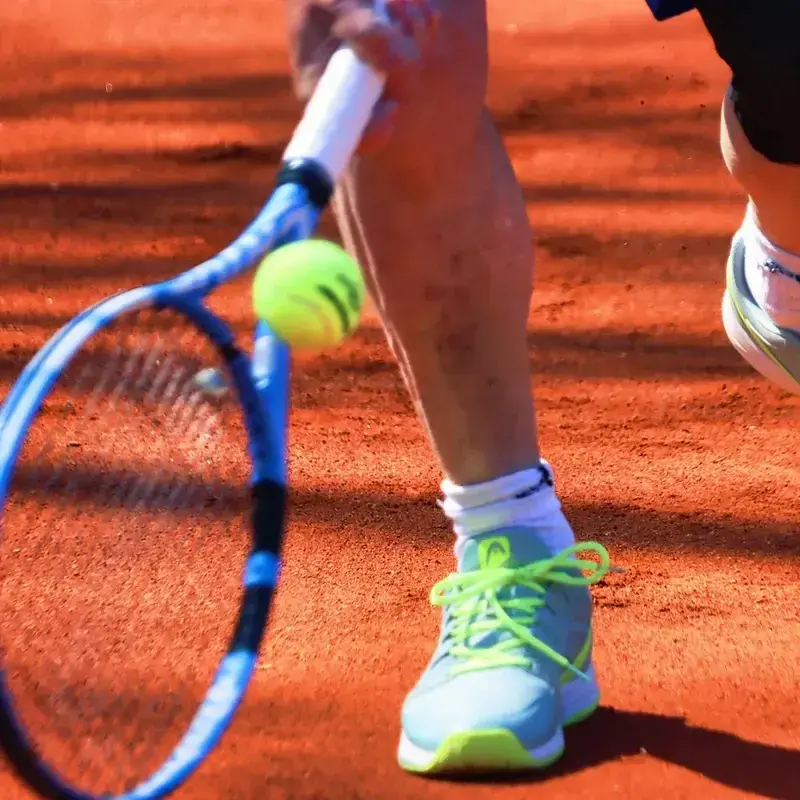
A herringbone sole grips sand-filled artificial turf and lets you slide without locking your foot when you change direction.
 Illustrative image
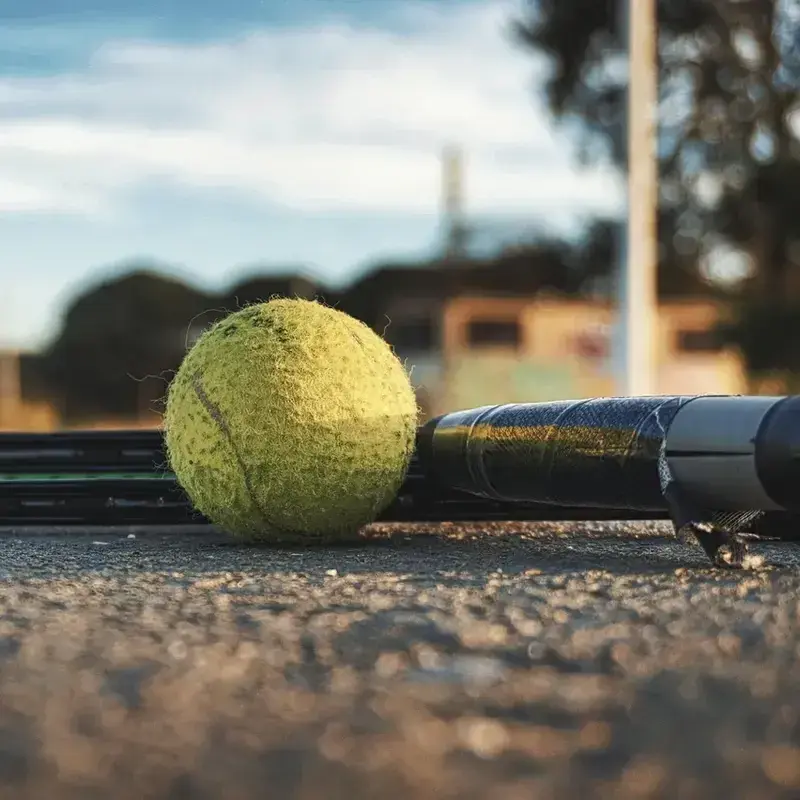
Balls lose pressure with use and bounce lower, so spare tubes keep play consistent from one match to the next.
Heat from a car or the sun damages a racket; a thermal compartment protects it and keeps clothes apart from your gear.
A breathable, quick-drying fabric stops you playing soaked on indoor courts or in summer.
 Illustrative image
Keeping the second ball on you speeds up serving; a pocket or inner liner saves you going to fetch it.
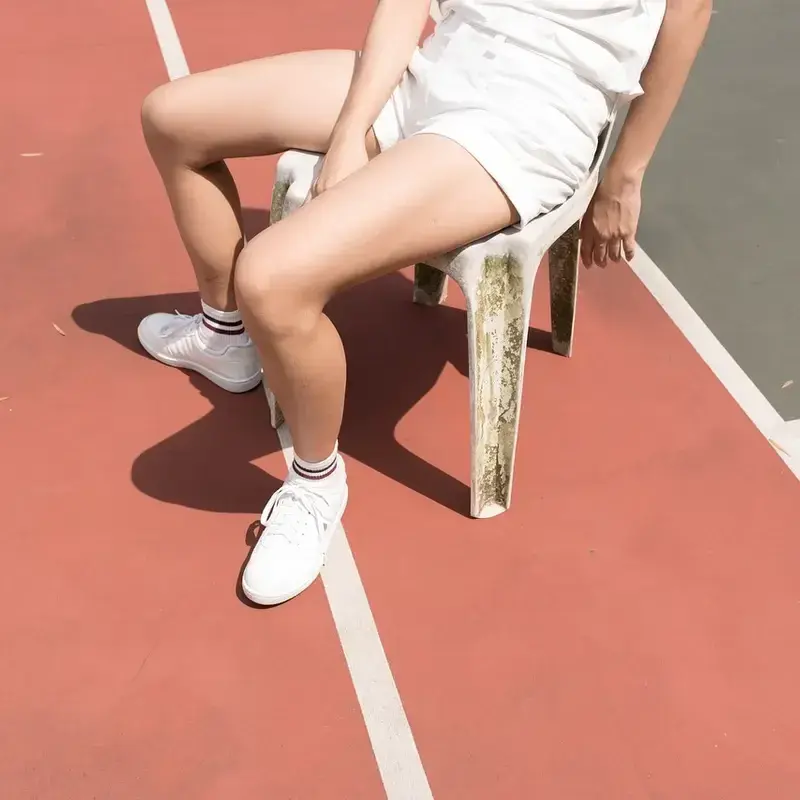
A breathable fabric and a size that allows free movement keep young players comfortable.
 Illustrative image
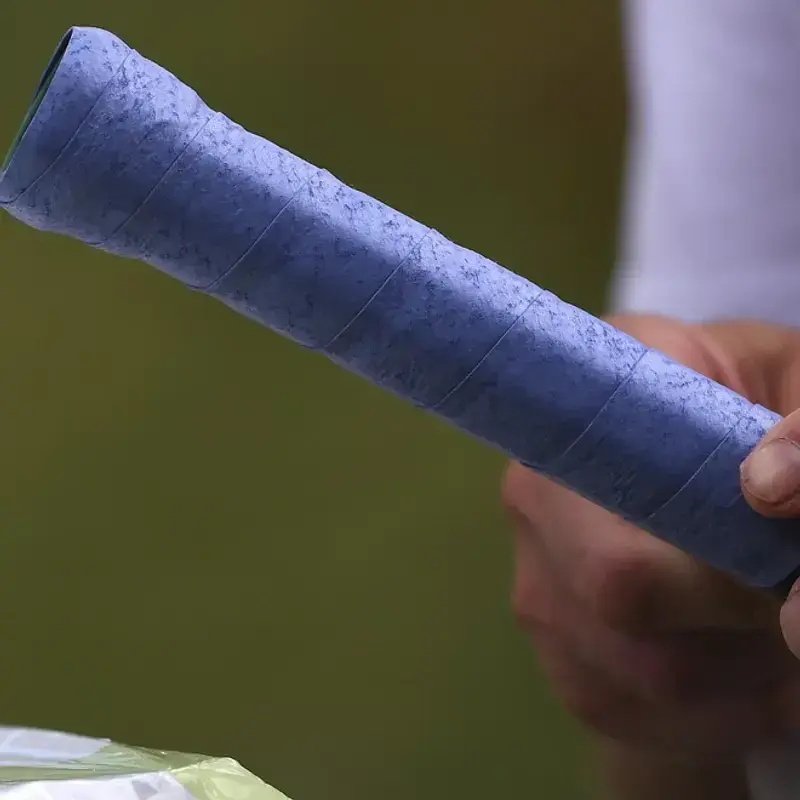
A worn overgrip slips when you sweat; changing it often improves grip and extends the life of the original grip.
 Illustrative image
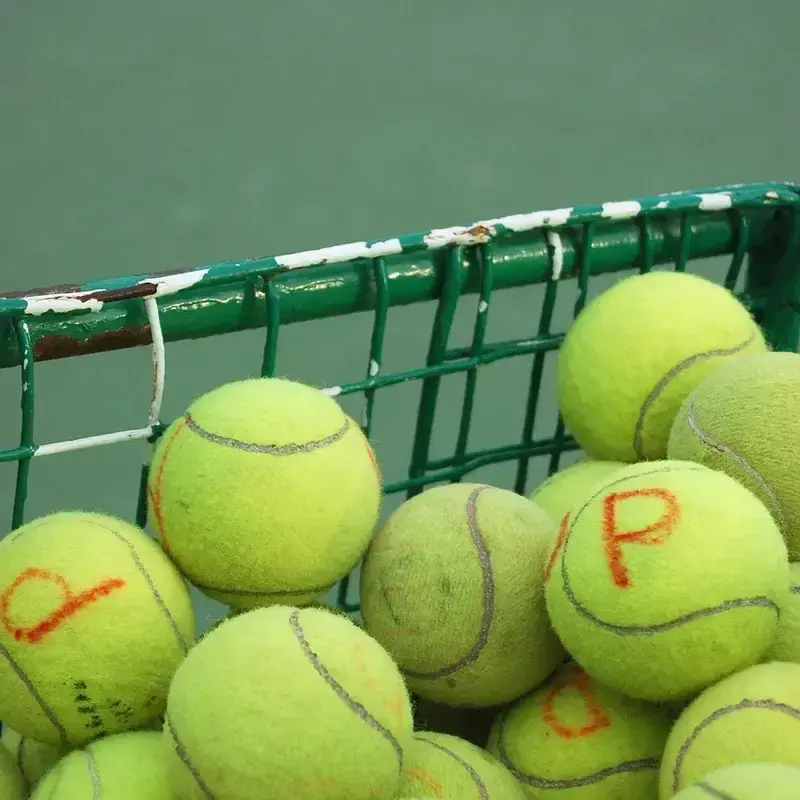
Drilling repeated shots needs plenty of balls to hand; a pick-up basket saves time between sets.
 Illustrative image
A useful gift that is easy to get right: it protects the frame from knocks against the floor and walls.
 Illustrative image
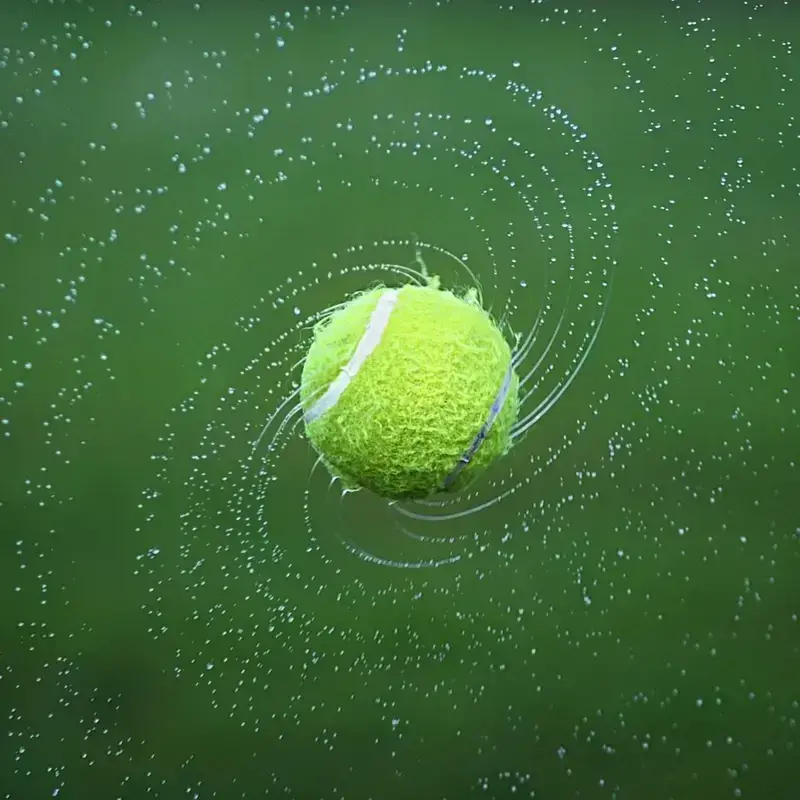
Keeping opened balls in an airtight container helps them hold their pressure between matches: a useful gift that is easy to get right.
 Illustrative image
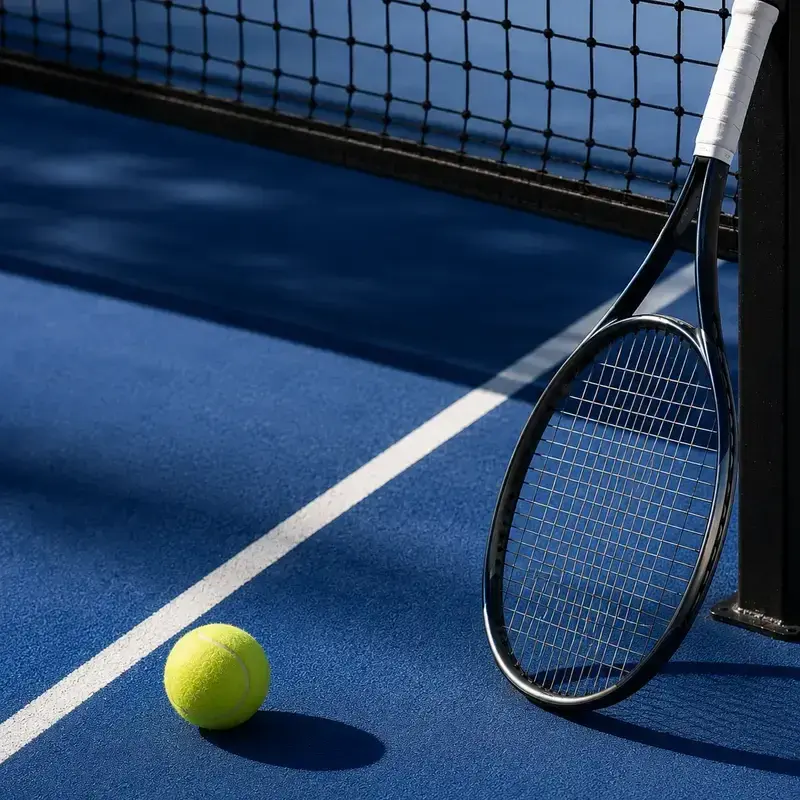
A large head widens the useful hitting area and a light racket is easier to swing while you learn technique.
 Illustrative image
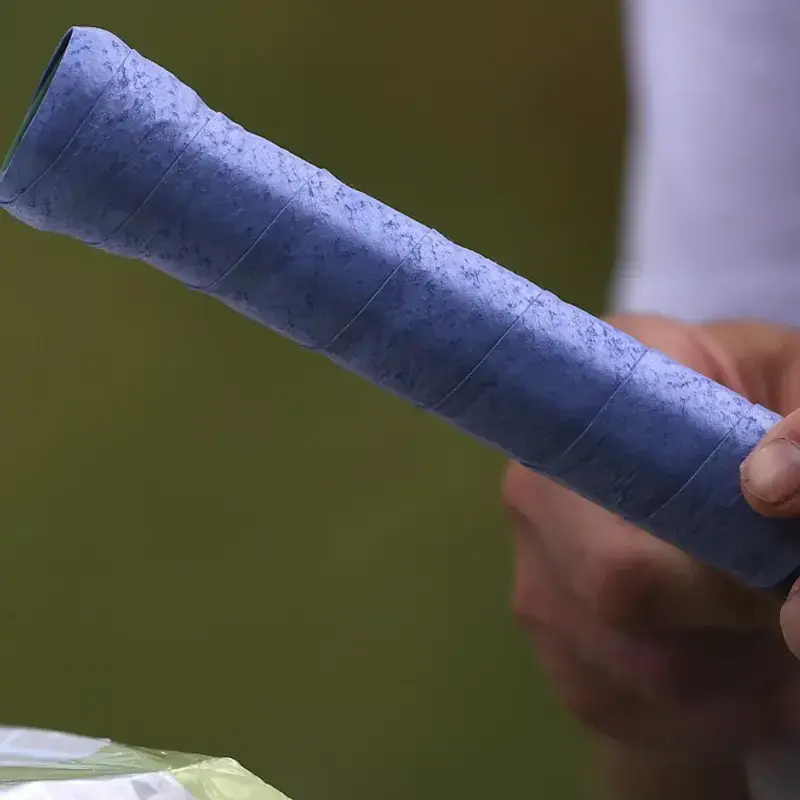
A fresh overgrip improves grip and protects the original one; it is the cheapest way to restore your racket's feel.
 Illustrative image
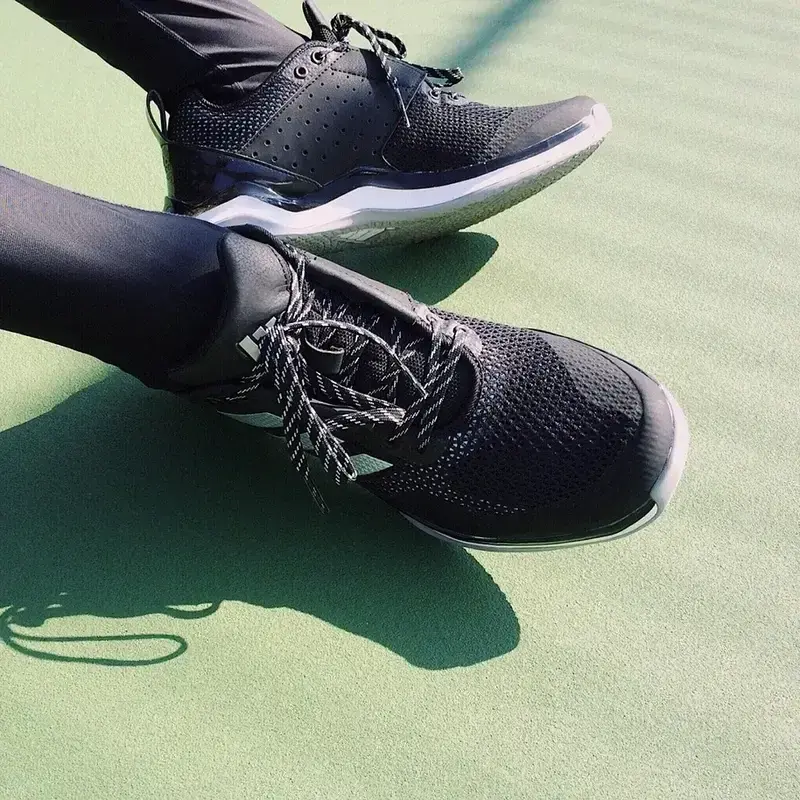
The sole makes the difference: on clay a herringbone sole that does not clog helps, and on hard courts a more abrasion-resistant one.
 Illustrative image
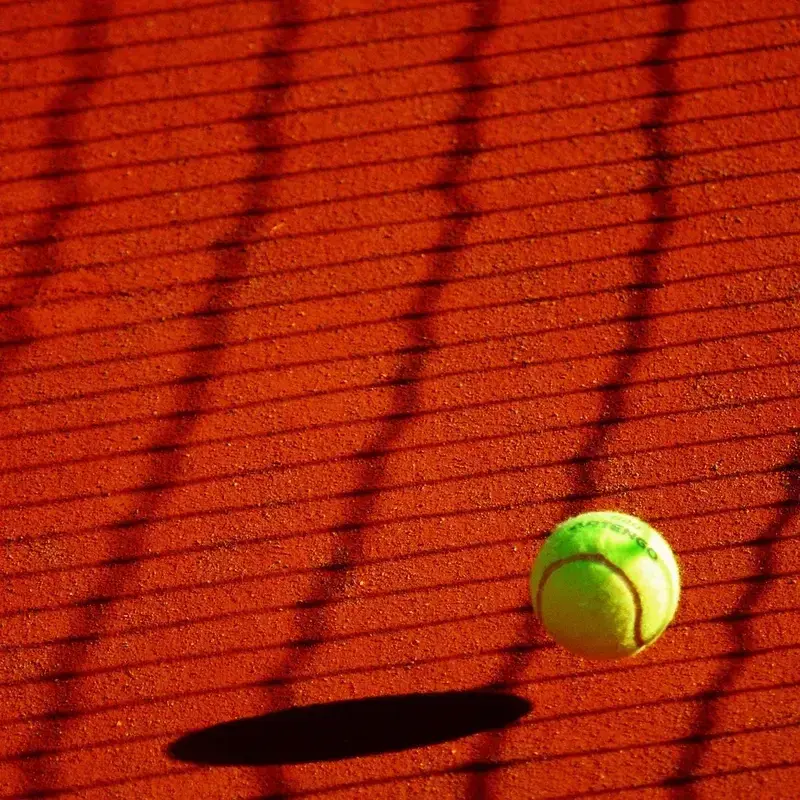
Pressure drops soon after the tube is opened; replacing balls keeps the bounce consistent.
Heat warps strings and damages frames; a racket bag with a thermal compartment protects rackets in the car or in the sun.
A light or mid-weight paddle with a wide face makes control easier at the kitchen line, where much of the game is decided.
 Illustrative image
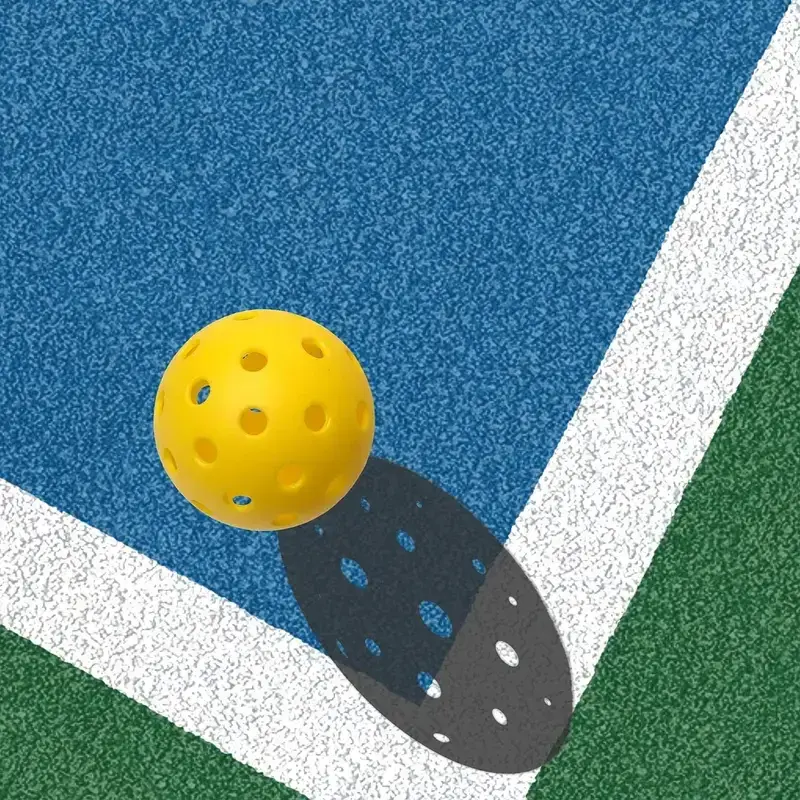
Outdoor balls are harder with more, smaller holes; indoor balls are softer. Use the type that suits your court.
 Illustrative image
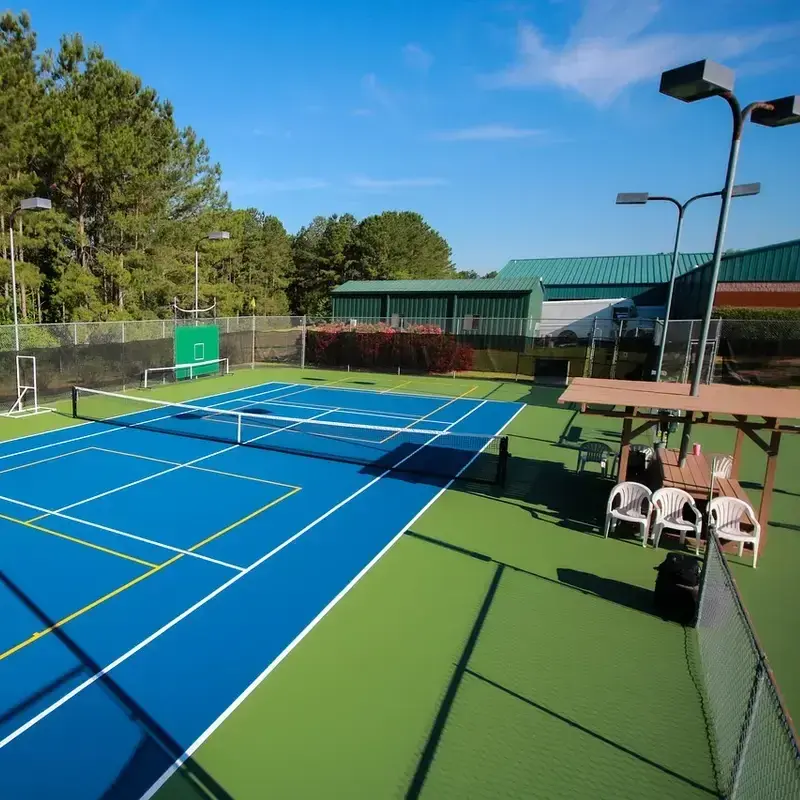
A portable net lets you set up a court on any flat surface and practise without depending on a club.
Pickleball calls for short lateral moves: a court shoe with good lateral support is safer than a running shoe.
A cover prevents scratches on the hitting face and an edge guard reduces wear on the rim.
 Illustrative image
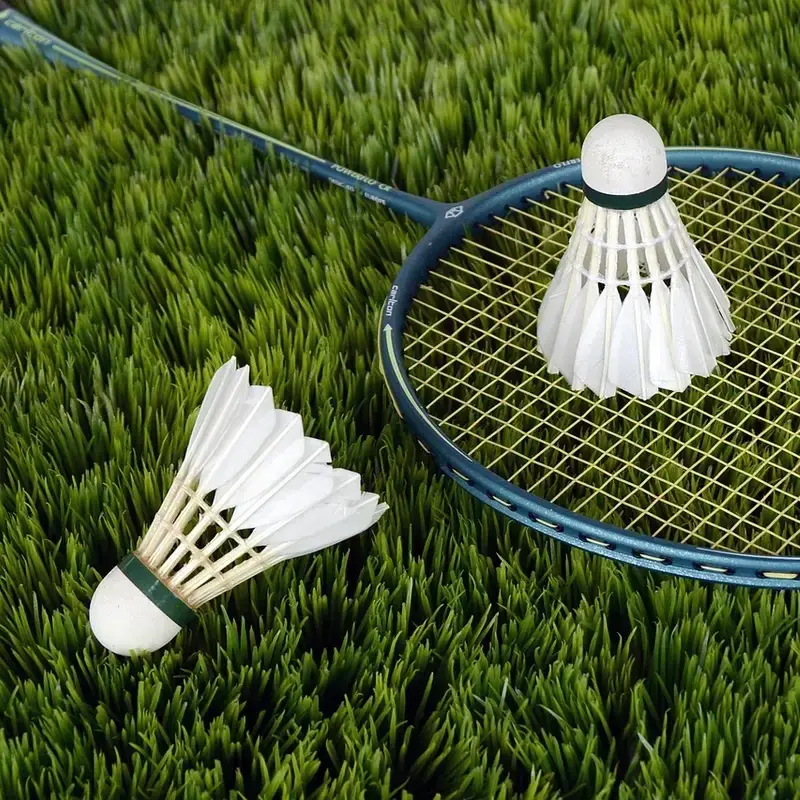
A flexible shaft helps you send the shuttle with little effort, and a light racket reduces strain on the shoulder.
 Illustrative image
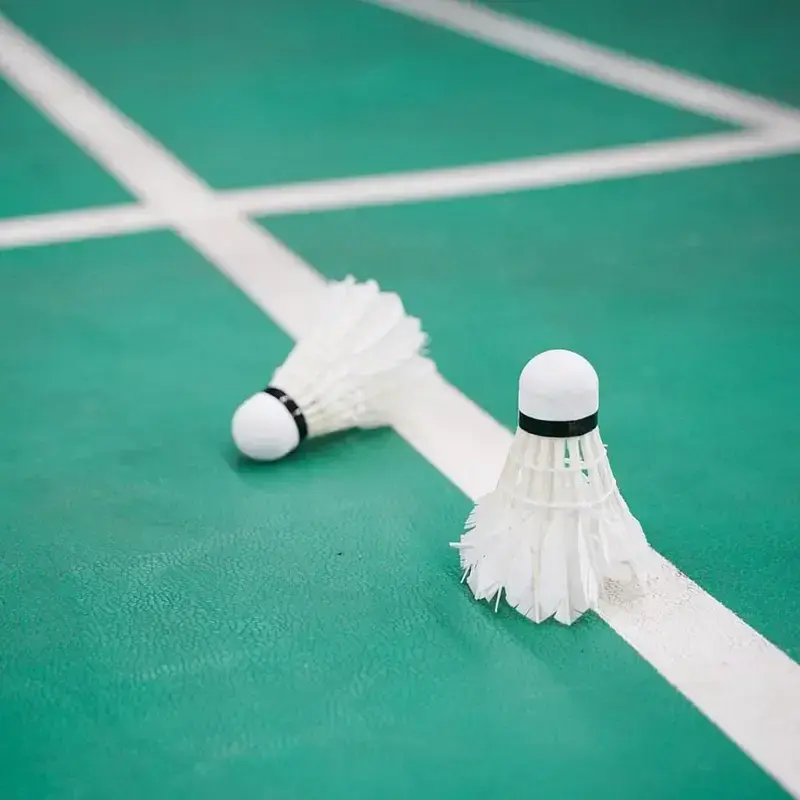
Nylon shuttles last much longer than feather ones and are a practical choice if you play often.
 Illustrative image
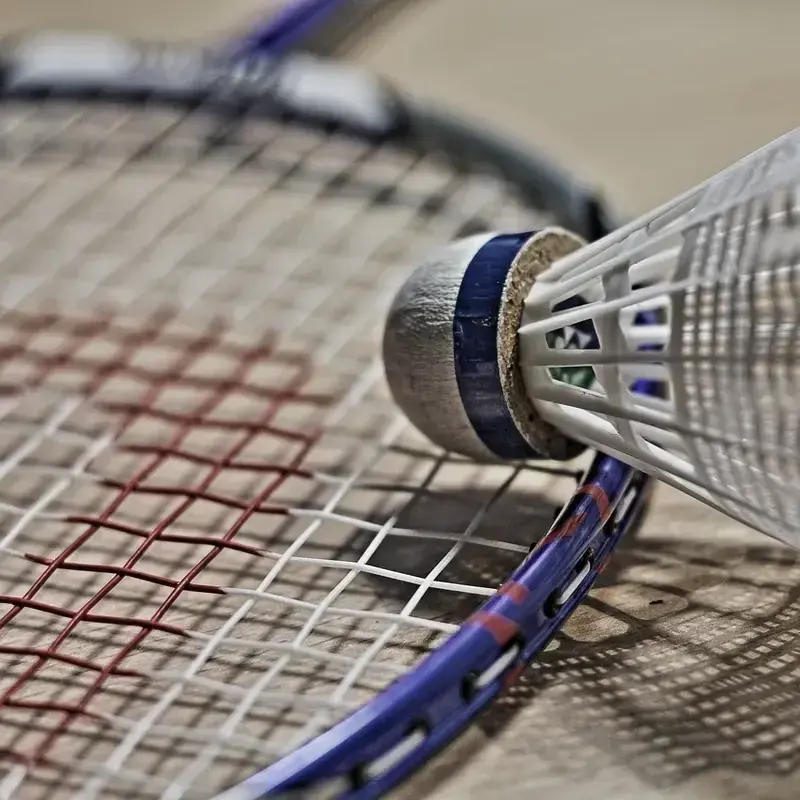
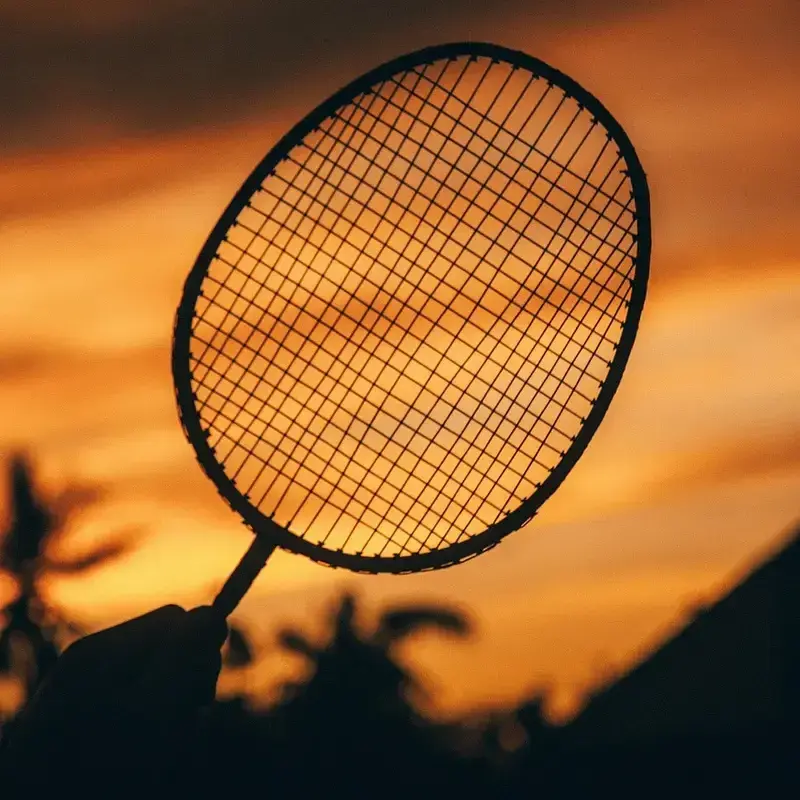
A thin string gives more feel and repulsion; a thicker one lasts longer. A moderate tension is more forgiving for beginners.
 Illustrative image
Towel grips absorb a lot of sweat; synthetic grips are tackier and last longer. The right choice keeps the racket from slipping.
A bag with room for several rackets, the shuttle tube and your shoes keeps everything tidy and protected.
 Illustrative image
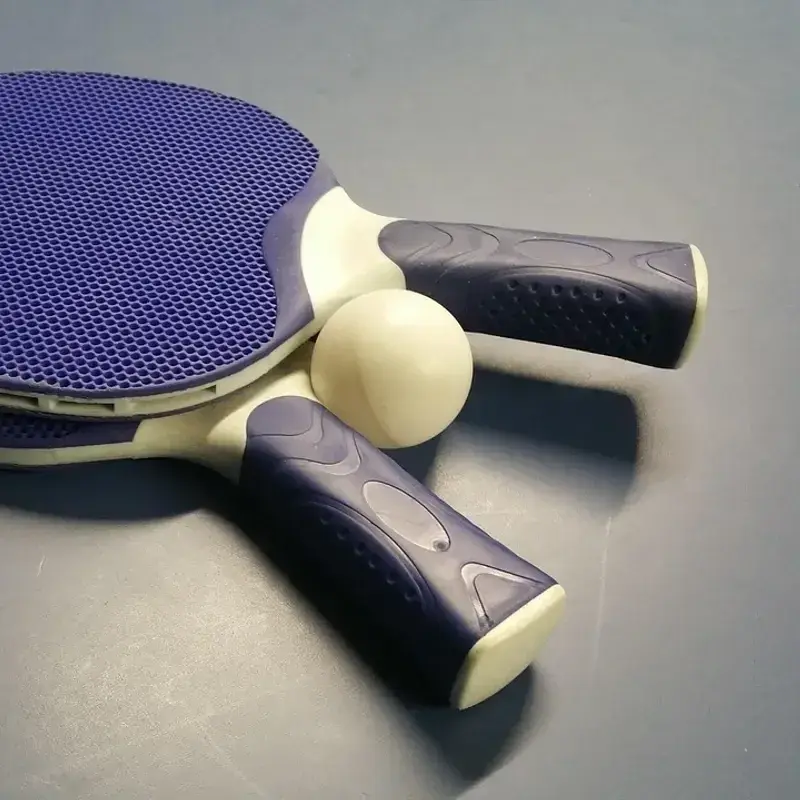
A ready-made control bat lets you learn the basic strokes without choosing blade and rubbers separately.
 Illustrative image
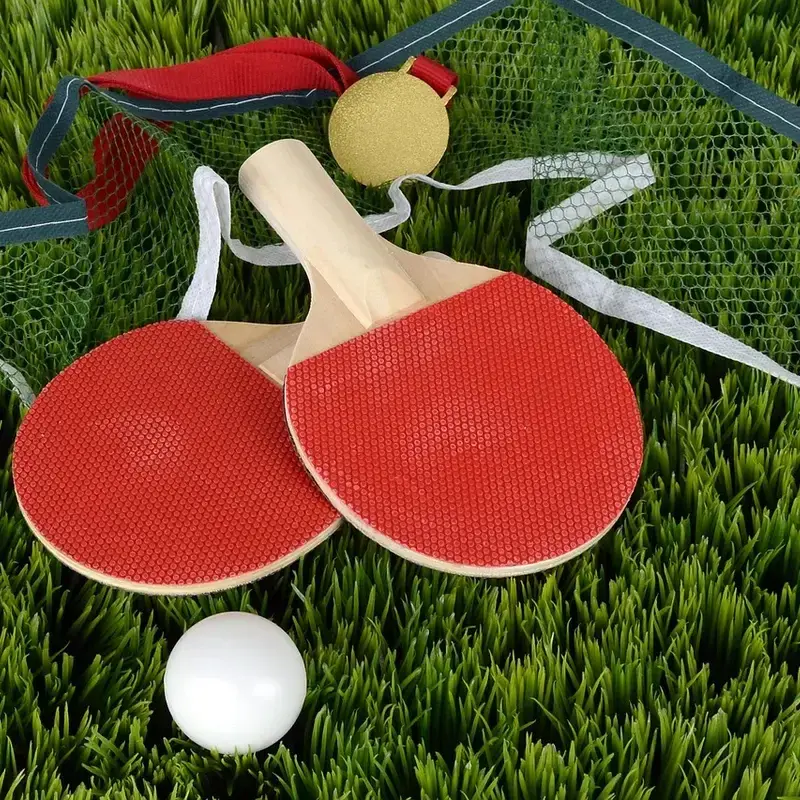
An all-round blade, slower than offensive ones, gives you time and control while you develop technique.
 Illustrative image
Plastic 40+ balls are the current standard; training-grade balls are better value for practice.
 Illustrative image
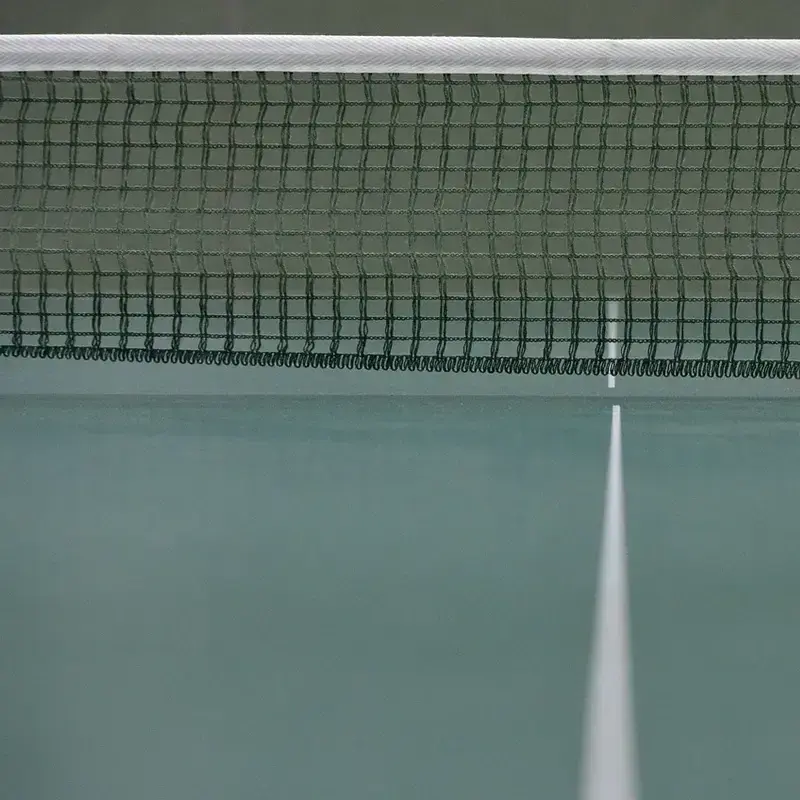
A clip-on net turns almost any table into a practice table and stores in little space.
A large head and moderate weight help you make clean contact while you learn to play against the wall.
Squash balls are graded by bounce: beginner balls bounce more and give you time to reach them, while double-yellow-dot balls demand a higher level.
Try removing a filter or searching with other words.
You buy on Amazon: payment, delivery and returns are handled by Amazon. Some links are affiliate links: if you buy through them, Racketiva may earn a commission at no extra cost to you. We always mark them. As an Amazon Associate, Racketiva earns from qualifying purchases.
Anonymous shop statistics · On: we only count visits, searches and clicks, with no cookies or personal data.
Favourites are only saved in this browser.